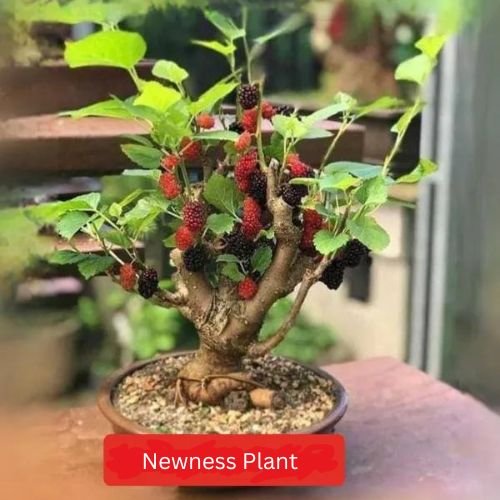
Creating a dwarf variety of mulberry suitable for Thai growing conditions involves specific steps to ensure successful propagation and growth. Here's a generalized guide on how you might achieve this:
-
Research and Selection:
- Research existing mulberry varieties and their characteristics, including fruit size, flavor, yield, disease resistance, and adaptability to local climatic conditions in Thailand.
- Select parent plants with desirable traits, such as high yield, superior flavor, compact growth habit, and suitability to the Thai climate.
-
Propagation Method:
- Mulberries can be propagated from seeds, cuttings, or grafting. For creating a dwarf variety, grafting onto a dwarfing rootstock is the preferred method as it helps control the size of the tree.
-
Rootstock Selection:
- Choose a dwarfing rootstock suitable for mulberries and compatible with the selected mulberry scion. Rootstocks like 'Morus alba' or 'Morus nigra' are commonly used for grafting mulberries.
- Ensure the rootstock is well-suited to the local soil and climate conditions.
-
Scion Selection:
- Select scion wood from a mature mulberry tree with desirable fruit characteristics, such as size, flavor, and color.
- Choose disease-free and vigorous scion wood for grafting onto the rootstock.
-
Grafting Technique:
- Employ a grafting technique such as cleft grafting or side-veneer grafting to join the mulberry scion onto the selected rootstock.
- Ensure proper alignment and a tight graft union to facilitate successful integration.
-
Optimal Growing Conditions:
- Provide well-draining soil rich in organic matter for optimal root development.
- Ensure the plant receives full sunlight, as mulberry trees thrive in sunny locations.
- Maintain consistent moisture levels by watering regularly, especially during dry periods.
-
Pruning and Training:
- Prune the dwarf mulberry tree regularly to maintain its compact stature, remove dead or diseased branches, and promote branching and fruiting.
- Train the tree to develop a balanced and bushy growth habit, which can help maximize fruit production in limited space.
-
Fertilization and Nutrient Management:
- Apply balanced fertilizers or organic amendments to provide essential nutrients for healthy growth and fruit development.
- Monitor soil pH and nutrient levels to ensure optimal conditions for the dwarf mulberry plant.
-
Pest and Disease Management:
- Implement integrated pest management practices to prevent and control common pests and diseases.
- Monitor the plant regularly for signs of pests, diseases, or nutrient deficiencies, and take corrective action as needed.
-
Harvesting:
- Allow the dwarf mulberry tree to mature and produce fruit.
- Harvest the mulberries at the optimal stage of ripeness, typically when they have reached their full color and are slightly soft to the touch.
- Harvest the fruit carefully to avoid damaging the tree and store them in a cool, dry place for later consumption.
By following these steps and providing attentive care, you can increase the likelihood of successfully propagating a dwarf variety of mulberry suitable for Thai growing conditions.